
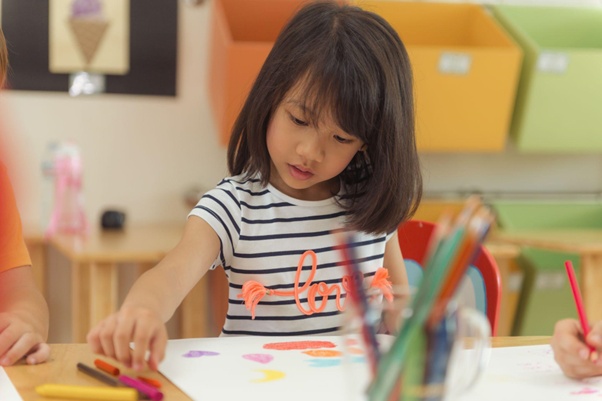

Parents in River Valley are increasingly turning to Mandarin preschools as an option for early childhood education. These schools design programmes where Mandarin serves as the primary language of instruction. Children engage in daily activities—storytelling, singing, and play—all conducted in Mandarin, which allows them to absorb the language naturally. Teachers use immersion methods to encourage real-life application, helping children build confidence in communication from a young age.
A Mandarin preschool offers more than language instruction alone. The environment nurtures cultural appreciation, with children celebrating traditional festivals, practising calligraphy, and learning customs. Parents notice benefits beyond fluency, as children develop bilingual confidence and cultural awareness. In Singapore’s competitive education landscape, such foundations strengthen literacy and communication skills while providing an advantage in future learning.
For families seeking to raise bilingual or bicultural children, Mandarin preschools present a practical starting point. Early immersion supports stronger listening and speaking skills before formal primary education begins, laying the groundwork for long-term bilingual proficiency.
Features of Traditional Preschools in River Valley
Many families still value a traditional preschool in River Valley for its structured and balanced approach. Lessons in such schools are usually in English, covering essential areas like numeracy, reading, writing, and social development. Teachers are focusing on preparing children for academic expectations in primary school. Activities include phonics, arithmetic, and creative play.
A traditional preschool in River Valley is emphasising cognitive, physical, and emotional growth. Children are building social skills through group play, sharing, and guided learning. The curriculum is introducing concepts progressively, ensuring children are ready for the next educational stage. Parents are seeing steady improvement in literacy and numeracy skills, along with creative development through art and music.
Unlike a Mandarin preschool, language immersion is not the central focus. However, some traditional preschools are offering Mandarin as a subject. Children are learning Mandarin in shorter sessions, limiting the fluency they can build. Parents choosing this path are prioritising broad academic preparation while introducing some language exposure.
Comparing Mandarin Preschool with Traditional Preschools
Parents weighing a Mandarin preschool against a traditional preschool in River Valley are considering different priorities. A Mandarin preschool is creating an immersive environment, enabling children to learn Mandarin naturally. Fluency is developing faster because children are surrounded by the language daily. On the other hand, traditional preschools give broader exposure across subjects, ensuring children are well prepared for primary school requirements.
The teaching approach differs, too. In a Mandarin preschool, lessons are activity-based and language-focused. Children are absorbing vocabulary during play and social interaction. In a traditional preschool, lessons are structured with a strong academic focus. Teachers are directing children towards literacy and numeracy milestones, with language exposure as an added subject.
Parents are also evaluating long-term goals. Those seeking bilingual advantage are leaning towards Mandarin preschools. Families focused on general school readiness prefer traditional preschools. The choice depends on what parents value more at this stage of a child’s growth.
What Parents in River Valley Should Consider
Parents choosing between a Mandarin preschool and a traditional preschool in River Valley are assessing lifestyle, family goals, and future education pathways. A Mandarin preschool is suitable if the family environment does not provide daily Mandarin use. It is also effective for parents who want their children to embrace cultural identity while becoming confident speakers.
Traditional preschools remain appealing for families prioritising English fluency and structured preparation. They are aligning with mainstream primary schools, where English remains the main language of instruction. Parents are considering factors such as location, teaching quality, and curriculum design before making a decision.
Visiting schools and observing teaching styles are helping parents make informed choices. Some families are selecting hybrid approaches, such as enrolling in a Mandarin preschool in River Valley for the early years and later transitioning to a traditional system. The key is understanding what will benefit the child’s learning journey the most.
Conclusion
Parents in River Valley are facing a meaningful decision between a Mandarin preschool and a traditional preschool. Each option offers clear benefits, with Mandarin preschools focusing on bilingual fluency and cultural immersion, and traditional preschools providing structured academic preparation. The right choice depends on the family’s long-term goals for their child.
Explore how your child can benefit from a strong bilingual foundation. Schedule a tour at Orange Tree Preschool today!


The Basic Types of Communication Training for An Organization
