
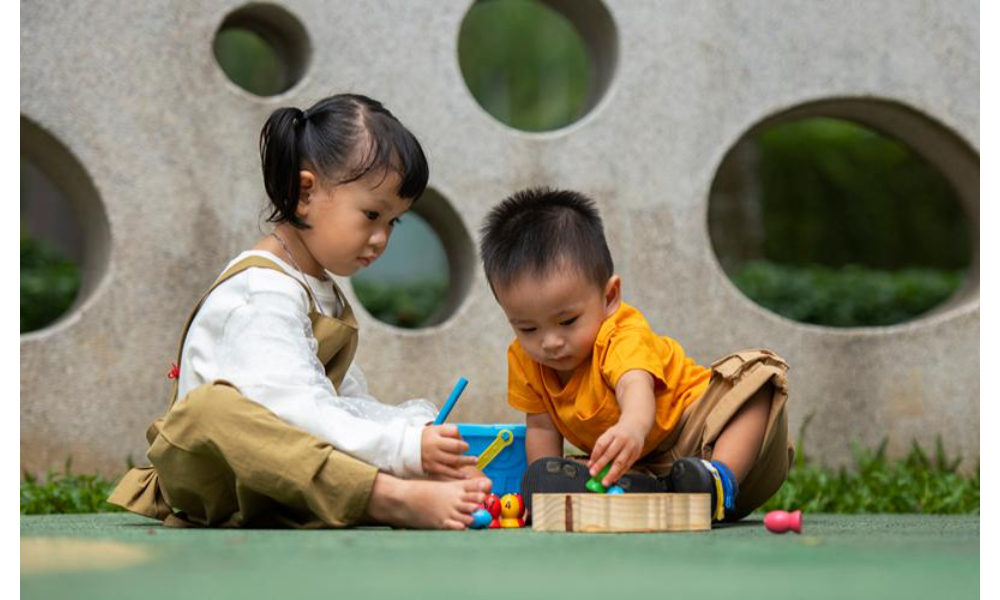

A playgroup might seem simple, but it sets the stage for cognitive, social, and emotional growth. In fact, it’s during these first years that a child’s brain develops fastest, soaking up experiences that shape curiosity, empathy, and communication. For many parents, enrolling their child in a playgroup in Singapore marks the beginning of their child’s education journey. Questions often arise: Is my child ready? What’s the ideal age group for a playgroup? How can I make the most of this early learning experience?
Understanding the Right Age Group for Playgroup
In Singapore, children typically join a playgroup between 18 months and 3 years old, just before moving on to nursery or preschool. At this age, children are developing independence but still thrive on comfort and routine. Choosing the right time to start depends on your child’s personality and readiness. The key is to ensure that their first school experience feels positive, nurturing, and aligned with their developmental stage.
Advanced Tip #1: Look Beyond Curriculum
Many parents focus on curriculum outlines when selecting a playgroup in Singapore, but the true test lies in the environment. The classroom’s emotional energy often reveals more about the quality of learning than any written programme. The best playgroups provide a sensory-rich environment filled with textures, colours, and movement. At this age, children learn best when they can touch, experiment, and imagine.
Advanced Tip #2: Prioritise Teachers Who Communicate
Early educators are educators and guides for emotional and social development. Teachers who communicate rather than instruct help children express feelings, manage frustration, and build empathy. A skilled teacher also understands when to step back. Allowing children to try, fail, and try again nurtures resilience and problem-solving.
Advanced Tip #3: Evaluate the Balance
Children flourish when they have a structured yet flexible schedule. The day might include consistent routines that provide comfort and predictability. Yet within these blocks, children are free to explore, choose activities, and lead their own discoveries. This flexible rhythm mirrors how children learn naturally: through repetition and exploration.
Advanced Tip #4: Include Home Reinforcement
Parents are a child’s first teachers, and playgroups work best when learning extends beyond the classroom. Ask if the playgroup offers communication channels with parents. This keeps parents informed and involved. A teacher who shares insights about your child’s progress or challenges provides valuable guidance on how to support their growth at home. Consistency between school and home reinforces learning and helps children adapt faster.
Advanced Tip #5: Focus on the Social-Emotional Curriculum
While literacy and numeracy often take centre stage, emotional intelligence (EQ) forms the foundation of lifelong success. Many of the best playgroups in Singapore integrate social-emotional learning into their daily routines. Teachers model kindness, guide children through conflicts, and celebrate small acts of cooperation. This foundation shapes future academic success, healthier relationships and emotional stability.
Advanced Tip #6: Don’t Overlook the Power of Play-Based Learning
Play might look effortless, but it’s a sophisticated process that builds essential cognitive and motor skills. In a playgroup in Singapore, play-based learning often includes activities like sensory exploration, music, storytelling, and outdoor games. Behind every seemingly simple task lies intentional skill-building. Parents who understand this process can better appreciate the educational value of play.
Advanced Tip #7: Prepare Emotionally
Transitioning to a playgroup can be as emotional for parents as it is for children. To ease the process, establish a consistent goodbye routine. A quick hug, a cheerful wave, or a reassuring phrase helps children feel secure. Playgroup is a milestone in independence, and embracing it with confidence sets the tone for your child’s experience. Remember, your calmness builds their courage.
Why the Right Playgroup Experience Matters
A well-matched environment meets a child where they are, sparking curiosity and joy while building vital life skills. Understanding the age group for playgroups and applying these advanced tips can help parents make decisions that support their child’s holistic development. The goal is to nurture the foundations of learning: creativity, confidence, and compassion.
The First Step to Lifelong Learning
A child’s first classroom shapes how they view education as a journey of discovery. The best playgroup in Singapore offers more than play; it builds thinkers, communicators, and explorers. By focusing on emotional intelligence, teacher engagement, and experiential learning, parents can ensure that their child’s early school experience is enriching and joyful. The age group for playgroups may last only a couple of years, but its impact lasts a lifetime.
Explore how engaging, well-balanced environments nurture confident learners. Enquire at Raffles Kidz International and experience how learning through play begins the right way.


The Basic Types of Communication Training for An Organization
