

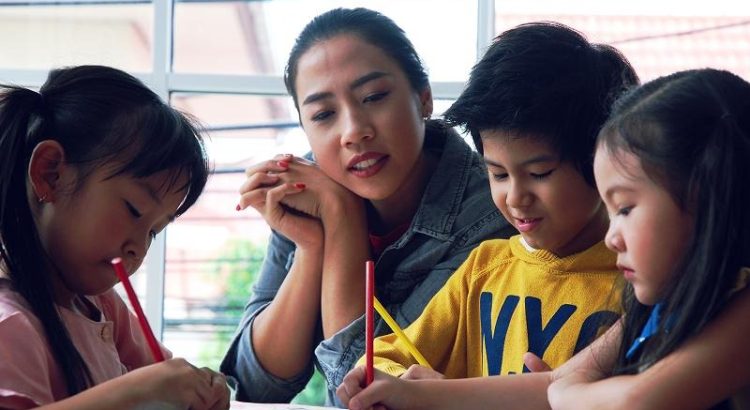
Education in Singapore is often described as both an advantage and a pressure point. Parents seek the best for their children, leading to the growing popularity of the education centre model in Singapore. Within this, Chinese tuition in Singapore has become a hot topic, given the subject’s importance in national exams and its cultural relevance. But is tuition always the answer? Why does it spark debate, and what lies beneath the success stories?
Why Tuition Divides Opinions
The rise of tuition centres has been met with mixed views. Supporters argue that an education centre in Singapore fills gaps left by mainstream schooling, offering smaller class sizes and targeted learning. Critics, however, believe tuition can add unnecessary stress to already burdened students.
Chinese tuition is particularly contentious. Some argue it creates inequality, as families with higher incomes can afford more classes, potentially widening performance gaps. Others claim over-reliance on tuition risks stifling independent learning.
Another controversy lies in expectations. Parents may see tuition as a guaranteed path to top grades. While educators know outcomes depend on effort, teaching quality, and the child’s readiness. This mismatch fuels frustration and drives ongoing debates about whether tuition is supported or overkill.
The Realities Few Mention
Behind the industry’s popularity are numbers that surprise many. Families often spend hundreds of dollars monthly, highlighting how deeply tuition is embedded in educational culture.
Another eye-opener is attendance. In some schools, the majority of students attend some form of tuition outside class. For Chinese tuition in Singapore, this trend is even stronger, as parents worry about their child’s fluency in a bilingual system where English dominates daily life.
Perhaps most shocking is the persistence of myths. For example, some believe tuition guarantees exam success. Yet studies show that while tuition can help, outcomes depend on many factors such as study habits, school environment, and emotional support at home. Tuition helps, but it is no magic bullet.
What Really Makes Tuition Work
Despite controversies, education centres in Singapore often succeed because of structure and focus. Many children thrive when given clear lesson plans, targeted feedback, and extra practice opportunities. The “secret” isn’t necessarily more hours, but quality engagement.
For Chinese tuition in Singapore, another secret lies in exposure. Regular use of Chinese beyond textbooks. Through conversations, cultural activities, and multimedia, it reinforces classroom lessons. Tuition provides these contexts in ways schools may not always manage due to time limits.
Small-group settings also matter. While schools may have large class sizes, tuition centres often keep groups smaller. This allows teachers to spot weaknesses and adjust strategies. It is this personalised attention, rather than sheer repetition, that helps many students improve.
Parents sometimes overlook another factor: motivation. Tuition is most effective when students feel supported rather than pressured. Creating a positive atmosphere unlocks the real power of these centres.
Balancing Ambition and Well-being
While the demand for tuition grows, so do concerns about ethics. The first question is balance. How much tuition is too much? Over-scheduling can harm mental health, leaving children exhausted and disengaged.
Another ethical angle concerns values. Should tuition focus purely on grades, or should it nurture appreciation for the Chinese language and culture? An education centre in Singapore that takes the latter approach may contribute more holistically to children’s growth.
Accessibility is also an ethical issue. Tuition can become a privilege for wealthier families. Policymakers and educators continually debate how to ensure all students have equal opportunities, regardless of financial background.
Lastly, there’s the matter of honesty in advertising. Some centres promise dramatic improvements within weeks, which can mislead parents. Families benefit more from realistic discussions about progress, rather than glossy promises.
Navigating the Tuition Landscape
The world of education centres in Singapore and Chinese tuition in Singapore is not a one-size-fits-all solution. While tuition undeniably supports many students. Parents face the challenge of balancing ambition with well-being, ensuring their children receive support without succumbing to unnecessary pressure. When approached thoughtfully, tuition can enhance learning and even inspire greater appreciation for the Chinese language. But when driven solely by competition, it risks becoming another burden. The most valuable lesson may not come from exams, but from how families approach education with patience, awareness, and a focus on long-term growth.
Curious about how tuition could support your child? Explore Enlightened Hand Learning Hub today and discover how Chinese tuition in Singapore might open doors for lifelong learning.