
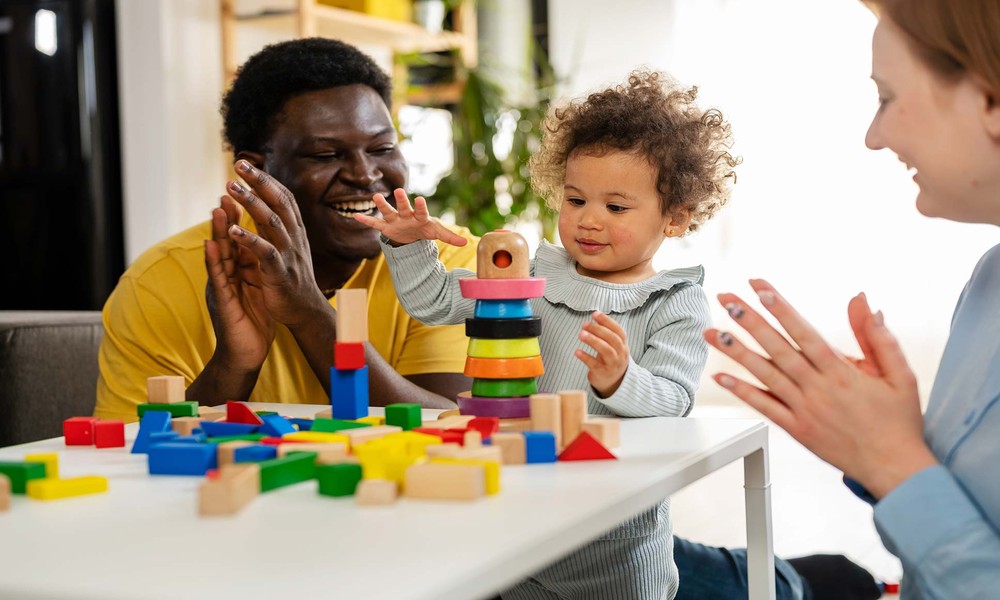

Growing up with two languages gives children an amazing gift. But sometimes bilingual kids may need time and practice to feel confident using different sounds, rhythms, and speaking styles.. A speech and drama course offers a fun way to build confidence and improve pronunciation through play.
Why Bilingual Children May Need Time to Find Their Voice
Children learning two languages process sounds differently. They might mix pronunciation rules from both languages. Some sounds exist in one language but not the other. This creates confusion.
Many bilingual children may speak clearly at home but struggle in other settings. They might feel shy about their accent. Others worry about making mistakes. These feelings can hold them back from practising.
Drama activities create a safe space for children to experiment with words. They can try different voices and sounds without judgement. Play removes the pressure that makes speaking difficult.
How Drama Games Build Better Speech
Drama exercises focus on how we use our mouths, tongues and breath. These skills matter for clear speech in any language. Children learn to control their voice through movement and sound games.
Tongue twisters help children practise tricky sounds. Acting games encourage big, clear speech. Singing activities teach rhythm and flow. All of these build voice awareness, articulation, rhythm, and confidence.
When children pretend to be characters, they forget about self-consciousness. A shy child might speak boldly as a pirate. A quiet child might project their voice as a market seller. This playful practice carries over into everyday speech.
Simple Drama Activities for Home Practice
Parents can use drama techniques without formal training. Start with mirror games where children copy facial expressions. This builds awareness of how the mouth moves to make sounds.
Animal sounds work well for younger children. Ask them to roar like a lion or buzz like a bee. These exaggerated sounds strengthen speech muscles. They also make practice feel like play rather than work.
Story acting lets children bring tales to life. Read a favourite book together, then act it out. Encourage your child to use different voices for each character. This builds flexibility in how they use their voice.
Puppet shows give shy children a comfortable way to practise. The puppet becomes a character they can hide behind. Many children speak more freely through a puppet than they do directly.
Group Activities in Speech And Drama Classes
Structured drama lessons offer benefits that home practice cannot match. Children work with peers who face similar challenges. They learn that everyone makes mistakes while learning.
Group warm-ups get voices ready for practice. Children might hum, stretch or make silly sounds together. These activities reduce tension that affects clear speech.
Partner exercises teach children to listen carefully to others. They practise taking turns and responding. These skills help in regular conversations too.
Performance games build confidence gradually. Children might start by speaking to one partner. Later they present to small groups. Eventually they feel comfortable speaking to larger audiences.
Choosing The Right Speech and Drama Programme
Look for classes that focus on speaking skills rather than just performance. The teacher should understand how children learn languages. Small class sizes allow for individual attention.
Ask about the balance between fun and learning. Children need structured activities, not just free play. But lessons should feel enjoyable rather than like homework.
Check whether the programme includes parents. Some courses teach techniques you can use at home. This extends learning beyond class time.
The best speech and drama course will adapt to your child’s needs. Teachers should recognise that bilingual children bring unique strengths. They need support, not fixing.
Building Confidence Through Creative Expression
Drama gives children permission to be loud and expressive. Many bilingual children speak quietly because they feel unsure. Acting exercises teach them that their voice deserves to be heard.
Creative activities also reduce anxiety about mistakes. In drama, there are no wrong answers. Children learn that taking risks helps them grow.
When children see their speech improve through drama activities, they feel proud. This confidence spreads to other areas of life. They participate more at school and make friends more easily.
Speech development takes time and patience. Drama makes the journey enjoyable for both children and parents. Through games, stories and play, bilingual children find their clear, strong voice.


The Basic Types of Communication Training for An Organization
