

Key Highlights
- Rhythm serves as the core skill behind effective drum playing.
- Strong timing helps young drummers play with greater confidence.
- Consistent practice improves rhythm awareness and coordination.
- Structured instruction helps students develop solid musical foundations.
- Rhythm training supports overall musical growth.
Introduction
Many people associate drumming with speed, energy, and impressive techniques. While these elements can be exciting, rhythm remains the most important skill that every drummer must develop. Without a strong sense of timing, even advanced techniques can sound inconsistent and disconnected.
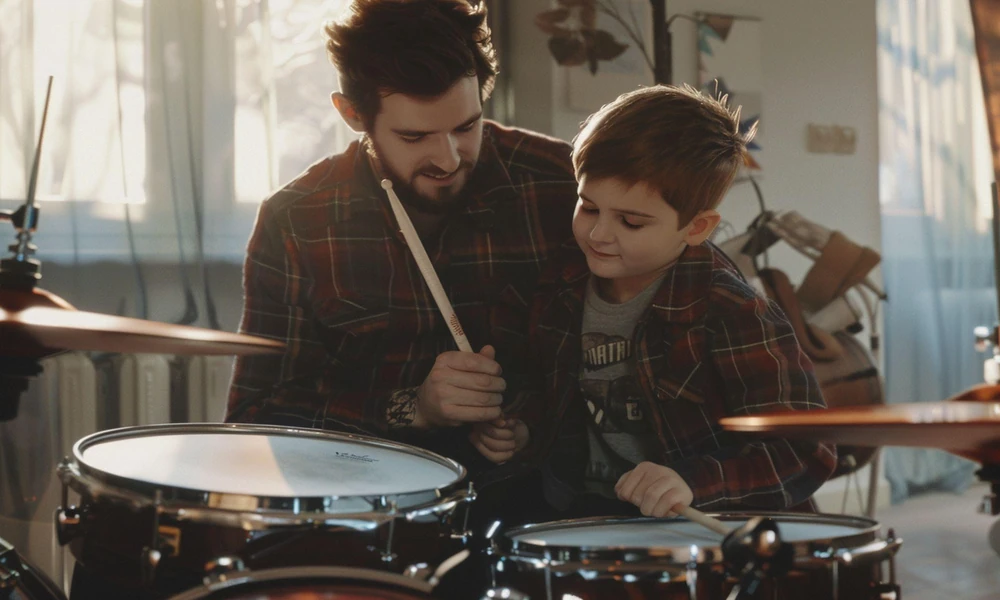
Students who participate in drum lessons for kids often discover that rhythm training forms the basis of nearly every exercise they learn. Alongside other music lessons in Singapore, drum education emphasises timing and coordination because these skills contribute to long-term musical development and more confident performance.
Rhythm Creates the Structure Behind Every Beat
The essential framework that allows musical pieces to flow consistently across every performance depends entirely on steady rhythm. Drummers rely on this structural stability whether they are playing a simple pattern or a complex arrangement. Good timing ensures that every single beat fits naturally within the composition.
Developing a strong understanding of how beats are organised usually begins when instructors delivering drum lessons for kids introduce counting exercises and basic rhythmic patterns.
Progressing steadily over time becomes much easier when parents seeking quality music lessons in Singapore place a strong emphasis on these foundational skills. Understanding rhythm early makes it simple to develop additional musical abilities as training advances.
Strong Timing Builds Musical Confidence
Confidence grows rapidly when students can play consistently and accurately during practice sessions. Young drummers develop an internal sense of timing through regular rhythm training, allowing them to stay steady even when performing unfamiliar material. Such consistency creates a stronger, more professional overall performance for every student.
Instructors across the island recognise the value of helping students build confidence through achievable goals, which is why reliable providers offering music lessons in Singapore focus heavily on rhythmic precision.
Improving listening skills, concentration, and long-term technical proficiency during rehearsals happens naturally when structured drum lessons for kids include exercises encouraging students to practise alongside a metronome or backing track.
Rhythm Supports Coordination and Listening Skills
Physical control and musical awareness develop during every session because many specialised drum lessons for kids include exercises designed to strengthen coordination gradually. Students learn how different limbs contribute to a rhythm pattern while maintaining a steady pulse.
Technical development improves significantly because various music lessons in Singapore encourage active listening alongside practical instrument training. Rhythm training helps students recognise patterns, understand musical structure, and respond more effectively when playing with others.
Drumming requires multiple physical actions to occur simultaneously as hands and feet work together whilst maintaining a consistent tempo. Rhythm serves as the vital element that keeps these complex movements organised.
A Strong Foundation Leads to Long-Term Progress
Complex fills, dynamic performances, and creative expression all depend on a reliable sense of timing because every advanced drummer begins with the same fundamental skill: rhythm. Building this foundation early allows students to progress effectively as they continue learning.
Learners approach challenging material with genuine confidence and skill when regular rhythm practice strengthens accuracy through comprehensive drum lessons for kids.
Recognising the inherent value of structured learning environments is the main reason parents researching music lessons in Singapore choose specific programmes. When rhythm becomes second nature, students focus more attention on creativity, expression, and enjoying the musical journey ahead.
Conclusion
Rhythm forms the foundation of effective drum playing because it supports timing, coordination, confidence, and overall musical development. By focusing on rhythm from the beginning, young drummers gain the skills needed to grow steadily and perform with greater consistency throughout their musical education.
Contact The Music Shed to discover how structured, hands-on training can channel your child’s high energy into a rewarding and creative artistic outlet.


The Basic Types of Communication Training for An Organization
