
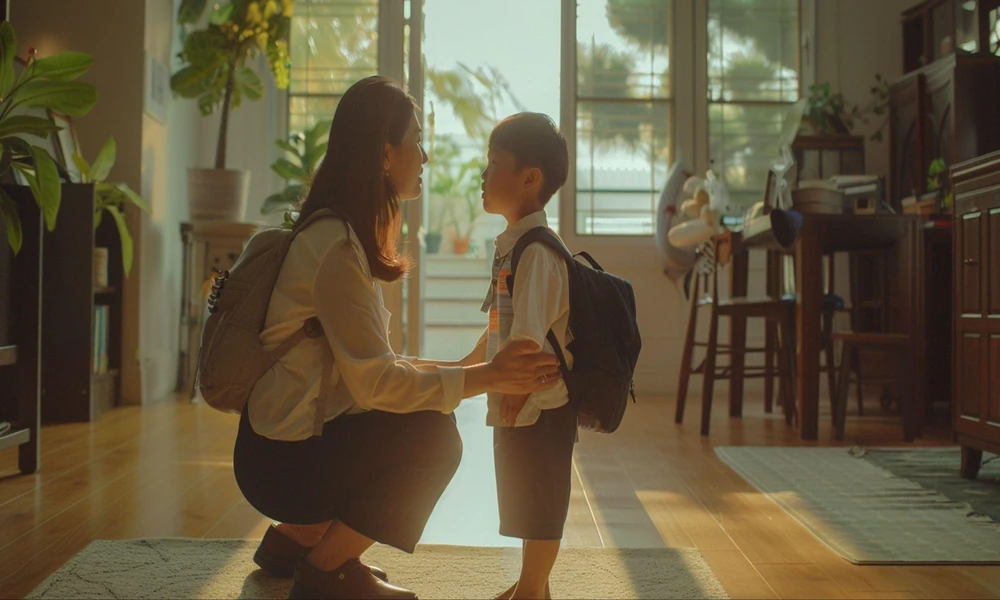

The few minutes spent dropping a child off each morning can reveal a surprising amount about how they’re settling in, and how the environment itself is being managed. Whether it’s a first week at a childcare centre in Yishun or a long-established routine, paying attention during drop-off can offer useful insight beyond what a child might share afterward.
How a Child’s Behaviour at the Door Can Be Telling
The way a child transitions from parent to classroom often says a lot about their comfort level with the routine.
- Whether the child separates with relative ease, or shows prolonged distress each morning.
- How quickly a child engages with an activity or peer once inside, versus lingering near the entrance.
- Changes in behaviour over time, such as a previously reluctant child gradually becoming more willing to say goodbye.
What to Notice About the Environment During Drop-Off
The physical and organisational details of drop-off can offer a window into how the centre operates day to day.
- Whether the space feels organised and calm, or chaotic and overcrowded during the morning rush.
- How belongings, such as bags and water bottles, are managed and stored as children arrive.
- Cleanliness and general upkeep of the entrance and immediate classroom area.
Signs a Child Is Settling Into the Routine Well
Certain patterns tend to indicate that a child has adjusted comfortably to their drop-off routine over time.
- A consistent, predictable morning routine that the child seems to anticipate rather than resist.
- Brief, cheerful goodbyes rather than prolonged clinging or repeated requests for a parent to stay.
- Visible eagerness to show a parent something from the previous day, such as artwork or a completed activity.
Signs That Might Warrant a Closer Look
A few patterns, if they persist over time, are generally worth paying closer attention to.
- Ongoing distress at drop-off that doesn’t ease even after several weeks of the same routine.
- Reluctance to enter specific areas of the classroom or interact with certain peers or staff.
- A noticeable change in mood or behaviour around drop-off that develops suddenly after a period of comfort.
How Staff Interactions During Drop-Off Reveal a Lot
The way educators engage with both children and parents during this brief window can be quite telling.
- Whether staff greet each child individually and by name, rather than treating drop-off as a routine handover.
- How staff respond to a distressed child, and whether they offer calm, reassuring support.
- Willingness of staff to share a quick update or answer a brief question during the handover itself.
Building a Fuller Picture Over Time
A single drop-off doesn’t tell the whole story, and it’s generally more useful to observe patterns across several days or weeks rather than drawing conclusions from one morning alone. Combining these observations with occasional conversations with staff, and paying attention to how a child talks about their day afterward, builds a more complete picture of how well things are actually going.
Small Details That Often Get Overlooked
Beyond the obvious signs, a few smaller details can also offer useful clues if parents take a moment to notice them.
- How other children respond when a new arrival enters, hinting at how welcoming the classroom dynamic actually is.
- Whether the same staff member consistently handles drop-off, or whether it varies from day to day.
What Parents Can Do With These Observations
Once a pattern becomes clear, there are a few practical steps worth taking depending on what’s been observed.
- Raise persistent distress or reluctance with staff early, rather than waiting to see if it resolves on its own.
- Ask staff directly how a child settles once the parent has left, since behaviour often shifts shortly after goodbye.
- Use positive signs, such as eagerness or ease at drop-off, as reassurance that the current routine at preschool in Yishun is working well for the child.
A Few Minutes That Say a Lot
Drop-off may only last a few minutes each morning, but it’s a window that reflects far more than it first appears to. Staying observant during this brief routine, without overanalysing every single morning, gives parents a steady, ongoing sense of how their child is really doing.
Contact Apple Tree Playhouse and discover an educational centre that you can trust.

What Drop-Off Routines Reveal at Preschool Each Day


The Basic Types of Communication Training for An Organization
